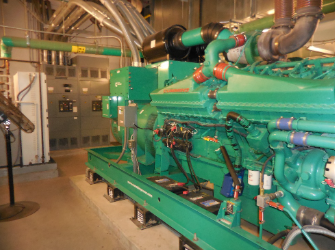
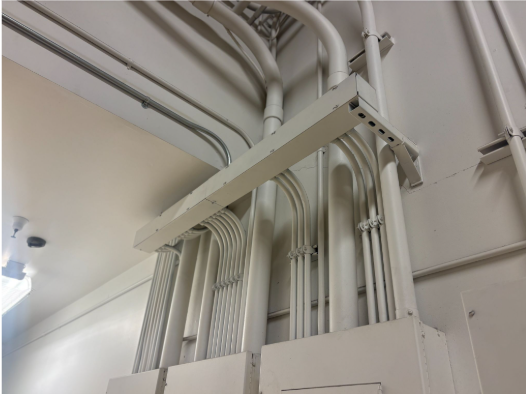
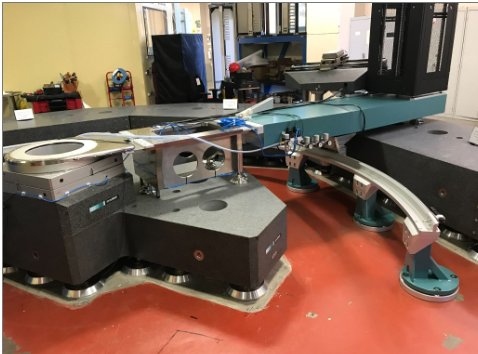
Images of anchorage Lab equipment
Our Earthquake Risk
Earthquakes in the Bay Area are highly common and dangerous due to our proximity to the Hayward Fault. Before 2043 there is a 98% chance that a 6.0 magnitude earthquake will occur in SF and a 72% chance that a 6.7 magnitude earthquake will occur in the bay area, there is a 33% chance that this same earthquake will occur on the Hayward Fault.
Berkeley Lab is located right above this fault line. Boasting the highest seismic design forces of any other facility within the DOE complex, earthquake forces are considered a serious safety risk at LBNL.
Why Seismic Anchorage Matters
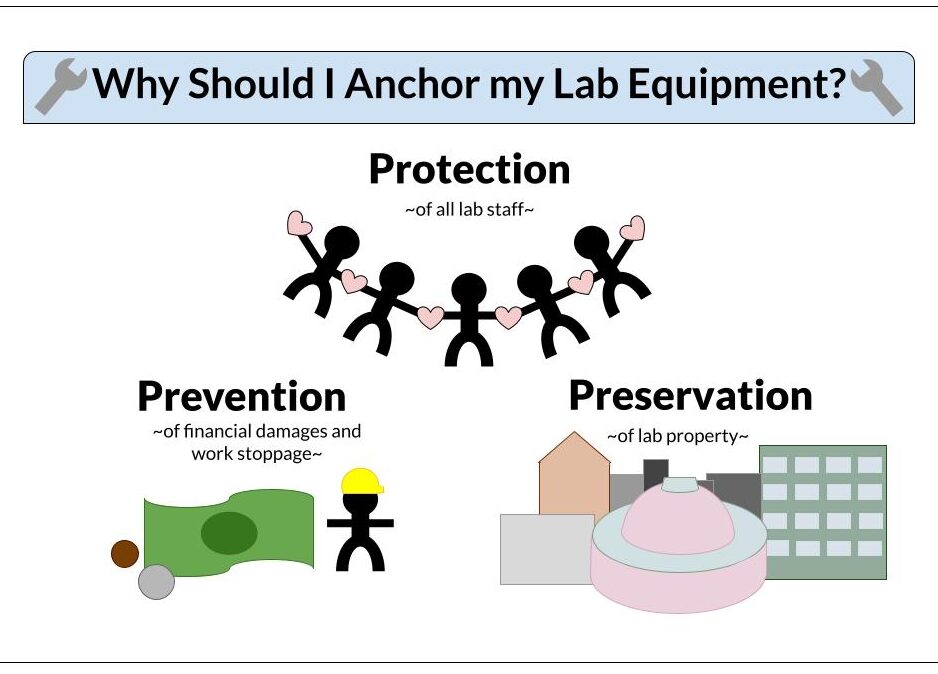
Anchoring nonstructural components at Berkeley lab is critical to ensuring employee safety during an earthquake and maintaining operations continuity after an earthquake. It is also required by DOE and UC safety policies. Building codes are studied and enforced in order to ensure the safety of lab personnel, prevent major damage, and prolonged work stoppages.
Seismic Rating Dashboard
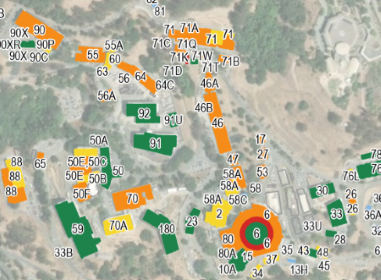
The seismic rating dashboard includes a map of all LBNL buildings. Users may select a structure(s) and view its seismic status and reason for rating.
Seismic Safety Videos
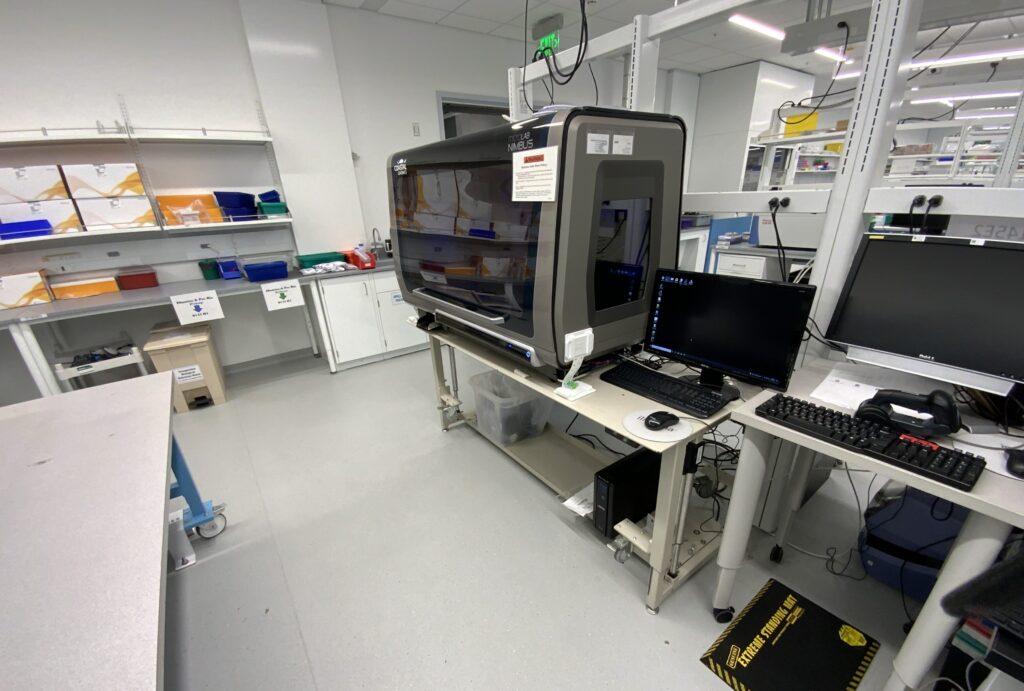
Seismic safety videos cover LBNL’s lateral force design criteria, anchorage component requirements, and lateral force design criteria. The videos provide an overview of Berkeley Lab’s seismic safety protocol.
Structural Key Plans
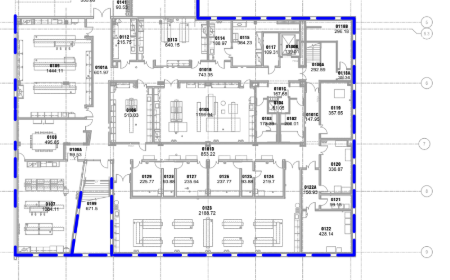
Structural key plans provide an annotated plan view of all buildings at LBNL. Contractors and engineers evaluating the seismic status of a structure can reference structural key plans to view the lateral force resisting system(s) and their location within the building.
Typical Anchorage Library

The typical detail library includes anchorage detail designs for the most commonly anchored nonstructural components at the Berkeley Lab. The library also includes a location factor interpolation tool and a list of pre-approved equipment, parts, and fasteners.
Location Factor Calculator
The location factor calculator, or dashboard, inputs basic component information and outputs a unique location factor value, or X. Users may select “Floor Mounted Component” or “Wall Mounted Component” and fill out the corresponding questions.
Seismic Anchorage Surveys
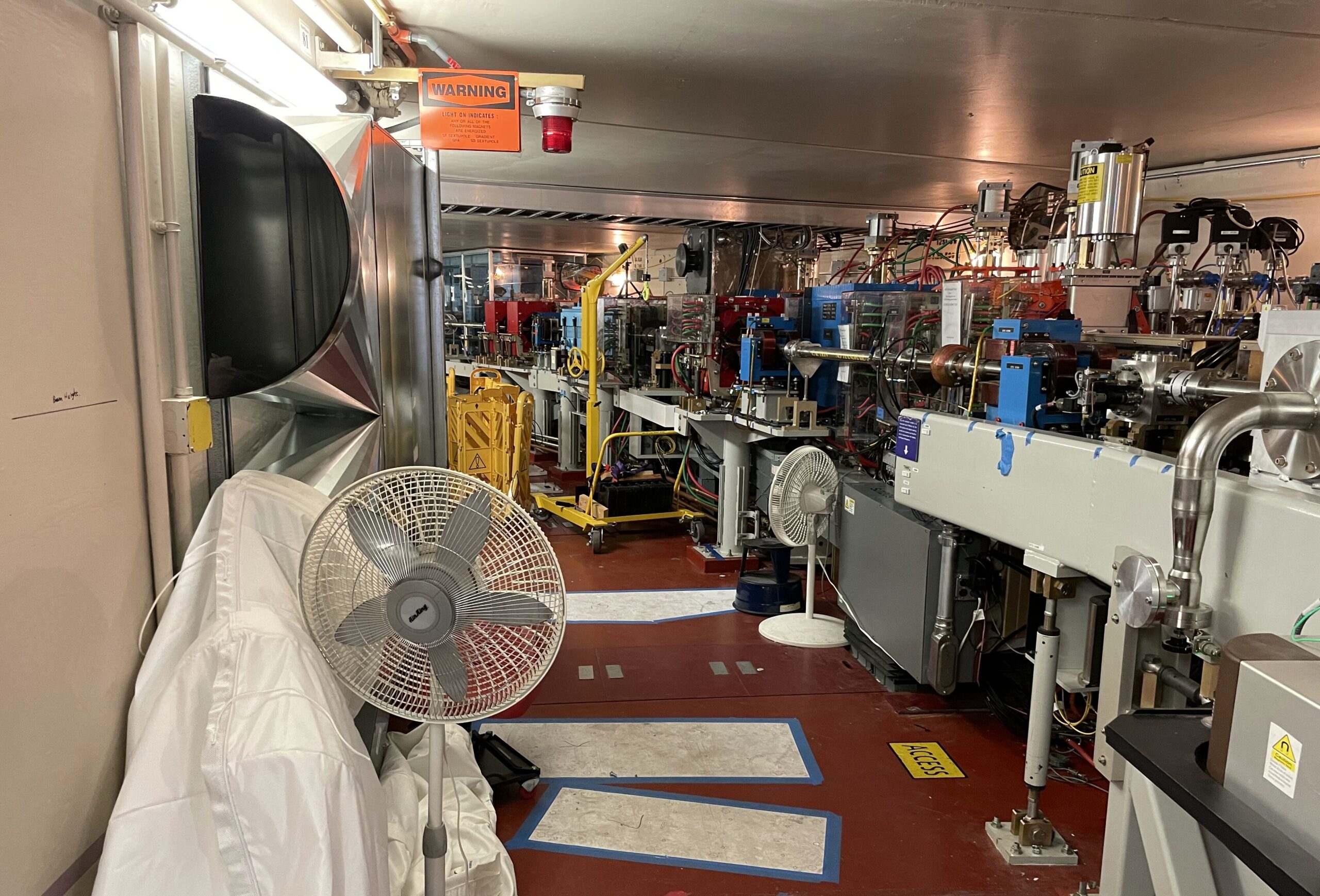
Take an access survey if unsure whether a component needs anchorage or has an existing detail library design. Surveys cover three categories—lab research equipment, furnishings and fixtures, and MEP components—and provide customized anchorage procedures based on user responses.
Anchorage Videos & Procedures
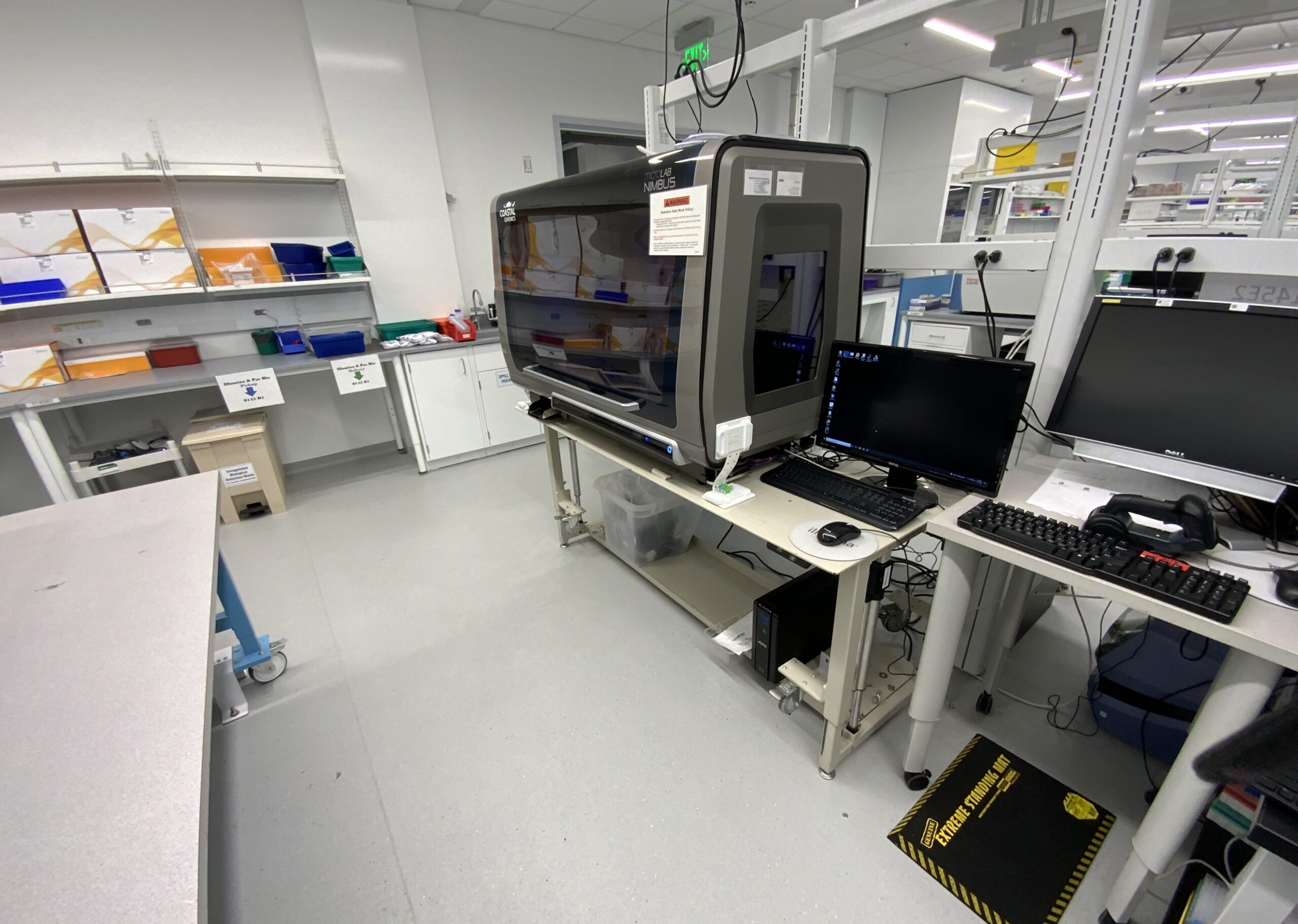
Seismic anchorage technical videos cover anchorage component requirements and standard anchorage procedures for nonstructural components at LBNL
General FAQ
Why do I need to anchor my equipment
The updated ASCE 7-22 provisions detail that specific nonstructural components must be anchored for the preservation of the component itself, prevention of financial losses and the protection of those close to the component during a seismic event. In addition, the lab is highly vulnerable to seismic forces due to its proximity to the Hayward Fault.
Why is nonstructural anchorage so important?
Nonstructural components are most easily damaged by seismic forces, highly expensive and essential to building function. Most importantly, nonstructural components pose a major safety risk if unanchored during an earthquake.
How does anchorage prevent seismic damage?
Unanchored components can fall or move during earthquakes, injuring nearby people, other components in vicinity the, or the component itself.
Why are the requirements so complex?
Learning about anchorage procedures and locating the right anchorage for your component can be complicated and tiresome. However, these requirements reflect the lab’s hilly site and variety of both buildings and components. There are over 400 different location factor values and hundred of different nonstructural components at LBL. Each component requires a different design with individual variations for location factor value. If every component were given the same anchorage it would lead to access costs and labor, both of which are unnecessary if the proper procedures are followed.
Anchorage FAQ
What to Anchor – How to Anchor:
How do I know if a component needs to be anchored?
This is one of the most common and important questions directed to the facilities department. Anchorage is essential, but it is also expensive and time consuming, so it is really important to have a baseline understanding of which components must be anchored. For a comprehensive overview of the new anchorage requirements and how they apply to component at the Berkeley lab, see the instructional videos linked in the resources section of this home page, or under the quick links tab. If you have a specific component in mind a want a quick answer as to whether it needs to be anchored, ill out one of the three anchorage surveys linked in the same locations.
What do I do if I am unsure whether to anchor a component or not?
The seismic anchorage surveys and instructional videos outline when ands how to contact your facilities area manager regarding these questions. These resources are link under the resources page of quick links tab. However, if a survey or video leads you to an answer which feels wrong or confusing, it is important to clarify this information with your facilities area manager.
Can I anchor something even if it does not fit the requirements?
It can be expensive and time consuming to anchor a component that does not need to be anchored. However, if this unanchored component makes employees feel unsafe, than it is necessary to contact the facilities area manager to discuss anchorage options.
What are the risks of not anchoring a component?
If a component is not anchored it may break, bend or fall during an earthquake. These movements risk the safety of employees nearby, especially if this equipment is heavy or sharp. In addition, the component itself can become damaged or even unusable by being unanchored. An object can easily make contact with other components around it during an earthquake, causing a domino effect of seismic damage. Other groups may have paid for their components to be anchored (also invested their tie and time of facilities team) and if their components are damaged by unanchored components it waste the time of those who worked to anchor their components. And finally, unanchored components risk causing major financial damage and work stoppage.
Location Factor FAQ
How do I locate the location factor associated with my component?
Location factor values can be found for every floor of every building on the location factor spreadsheet. If you have a specific location in mind you can enter building and floor number onto the location factor dashboard and view the X value of that exact location.
How do I use the location factor to select an anchorage design?
Once you have calculated the location factor for your component you can open the typical detail library and see the second general notes page. This page contains a table which should have different possible weights and corresponding location factor values. Select the one which is right for your component and the same table will have a type of anchorage connected. Go to the page which has this anchor in the bottom right coroner and that is the correct design.
What is the location factor and what does it have to do with nonstructural anchorage?
The location factor, or X value, is an LBNL unique constant which can be individually calculated for every building of every floor at the lab. This constant represents how strongly earthquake forces affect certain locations. Every component at the lab has a corresponding location factor tied to its building and floor number. If a component has a larger location factor, meaning it is affected more intensely by seismic forces, than it requires a stronger anchorage design, and vice-versa.
Seismic Rating Map Dashboard FAQ
What does the data on the Seismic Dashboard mean?
The seismic dashboard shows general building information (year build, building title, design codem etc.), retrofitting details, exact location, building material and seismic evaluation history.
How do I use the Seismic Dashboard?
The overall purpose of the matrix is to Provide lab management and personnel with information regarding the seismic status and safety for their buildings. Along with this it will allow management to keep track of which builds are structurally deficient, they can then prioritize mitigating those deficiencies. In addition, lab planners, and the DOE, need to track which buildings have been fixed and which still need attention. Lastly lab employees need to be aware of buildings with a seismic rating of five or worse (highly dangerous), how they are permitted to be used, how many people can occupy them, etcetera.
What does the seismic rating listed on the Seismic Performance Map mean?
There are seven different seismic rating listed on the performance map from “Good (III)” to (Exempt from rating requirement”. A building seismic rating refers to how spentable it is to damage from seismic events. If a building has a higher rating, like “Poor (V)” or “Very Poor (VI)”, than it should be monitored during or after a seismic event.

